SimReady assets, made autonomously.
Objects that look, collide and move like the real thing. Start from photos, a scan or CAD, or just describe the object in plain language. Validated, and ready to drop into Isaac Sim or MuJoCo.
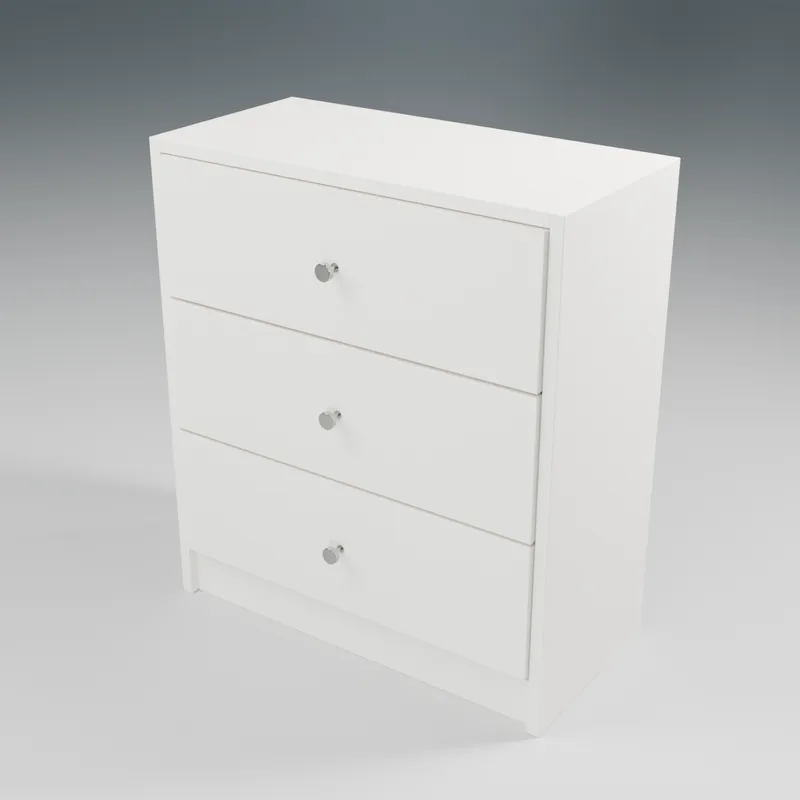
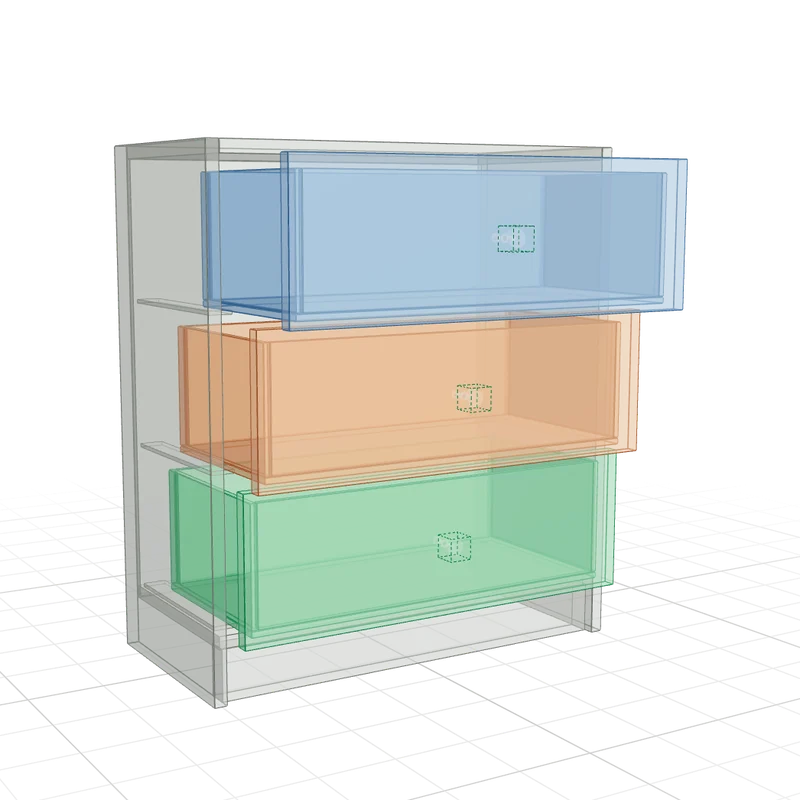
01 / The problem
Most 3D models are not built to be simulated.
- They look right but behave wrongMeshes from scans and asset stores have no mass, no friction and colliders that do not match the surface. Policies learn the wrong physics.
- Fixing them by hand does not scaleSimulation engineers spend days per object fitting colliders, tuning mass and rigging joints. A useful training set needs thousands.
- The gap shows up on deploymentEvery shortcut in an asset becomes part of the sim-to-real gap, discovered when the robot meets the real object.
02 / How it works
From object to validated asset, without the hand work.
Our pipeline does the work a simulation engineer would do, autonomously, and checks the result before it ships.
- 01Real
Input
Photos, a scan, CAD, or a description in plain language.
- 02Sim
Reconstruct
Clean geometry at real-world scale with PBR materials.
- 03Sim
Add physics
Colliders, mass, inertia, friction and joints.
- 04Sim
Validate
Automated checks and physics tests in simulation.
- 05Sim
Export
OpenUSD for Isaac Sim, MJCF for MuJoCo.
03 / What you get
Everything a simulator needs.
Each asset is a complete, physically described object, not just a mesh. Seven layers, all checked before it ships.
- 01Visual geometryClean, watertight mesh at real-world scale with sensible level of detail.
- 02MaterialsPhysically based materials (PBR) so sensors and cameras see what they would see in the world.
- 03CollidersCollision geometry fitted to the object, so contact happens where the surface is.
- 04Mass and inertiaPhysical properties derived from the object's material and volume.
- 05Friction and restitutionContact parameters that make grasping, pushing and sliding behave.
- 06JointsHinges and sliders with axes and limits for doors, drawers, lids and handles.
- 07MetadataCategory, dimensions and provenance, so assets are searchable and reproducible.
- QAValidated
- Watertight visual mesh
- Collision geometry
- Mass and inertia
- Joints and limits
- Rest and contact test
04 / Examples
From the catalog.
Assets our pipeline has built, as a simulator sees them. Grab a part to work its joint, and switch lens to see the collision geometry and where the mass sits.
Loading bench vise
Bench vise
IND-003 · Bench vise
What a camera sees
- 1Swivel0° / 65°
- 2Jaw (screw drive)0 mm / 90 mm
Physical
- Mass
- 11.9 kg derived
- Envelope
- 15 × 30.5 × 16.2 cm
- Base
- Fixed in place
Materials
- Carbon / mild steel
- Grey cast iron
Simulation model
- Rigid bodies
- 4
- Colliders
- 22 convex
- Joints
- 2 hinge + 1 slider
- Visual meshes
- 11
05 / Platform and catalog
Make your own, or start from ours.
Upload your objects, or describe them in plain language, and get SimReady assets back. Or browse the catalog for ones we have already made. We are onboarding early teams now.
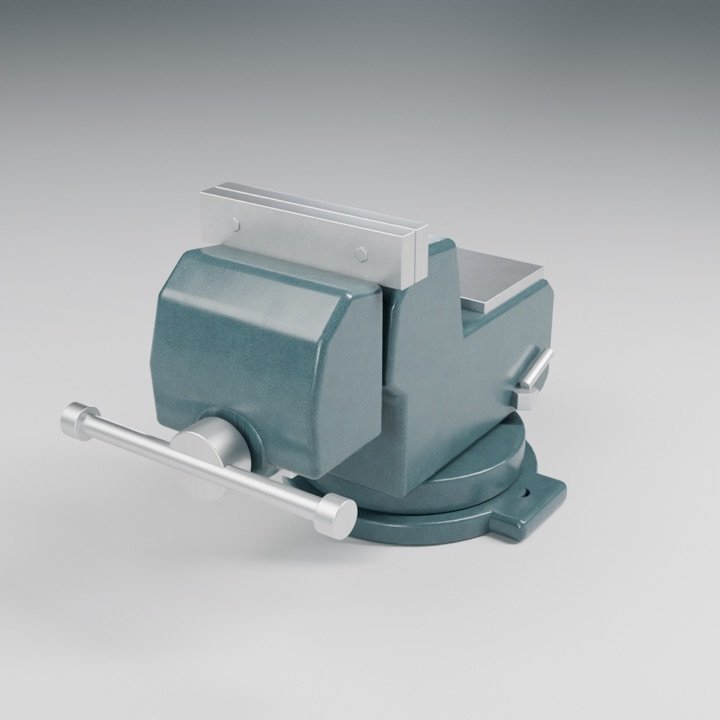 Bench vise
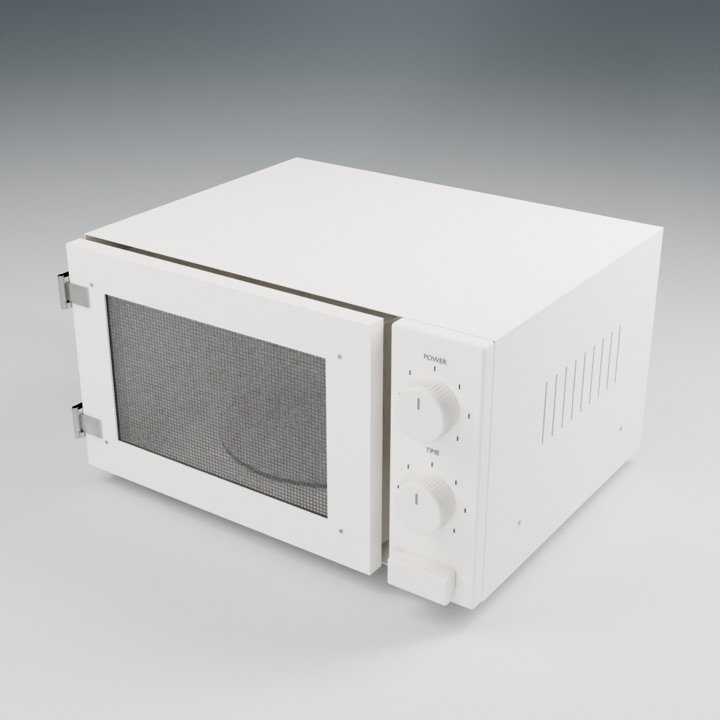 Microwave oven
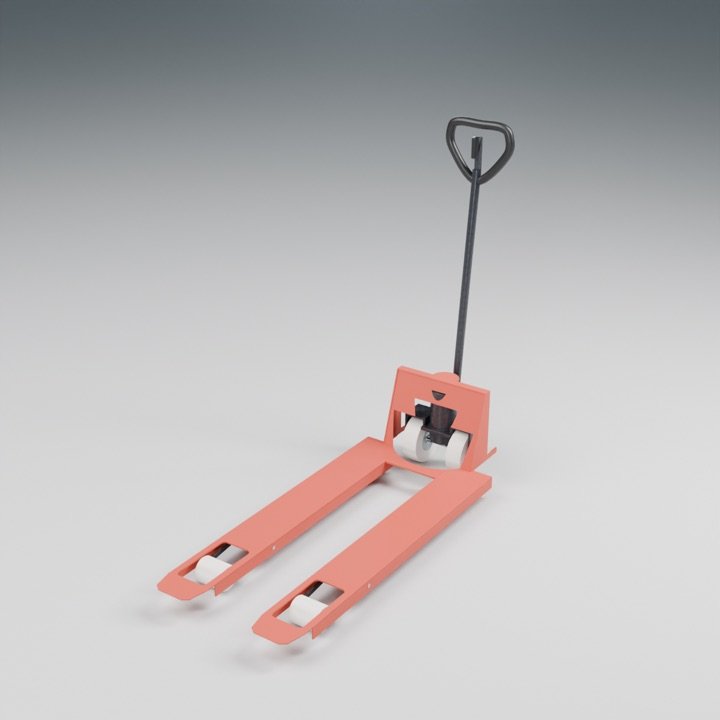 Manual pallet jack
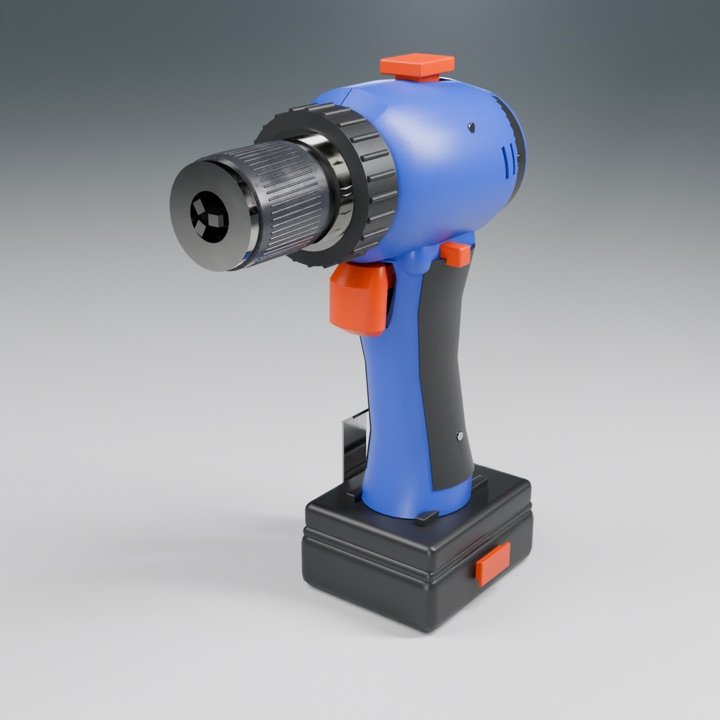 Cordless drill
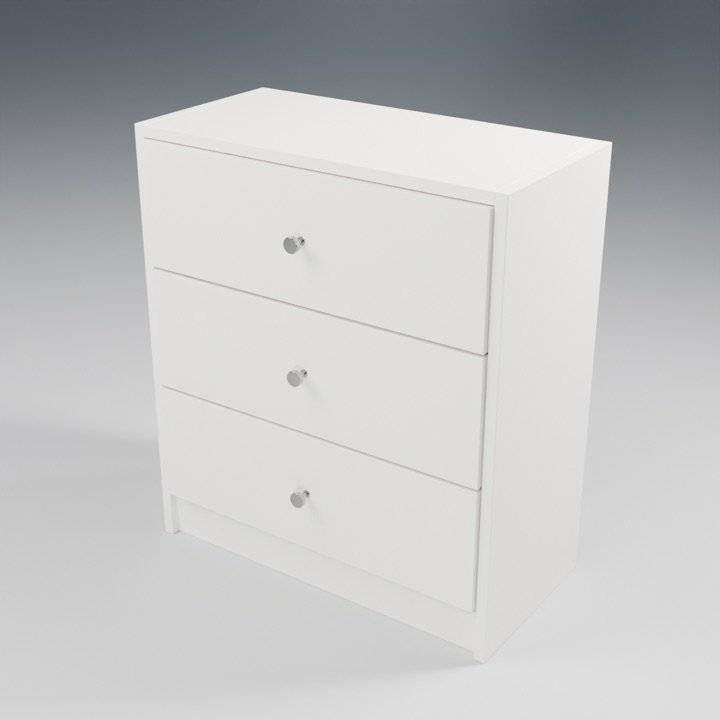 Chest of drawers
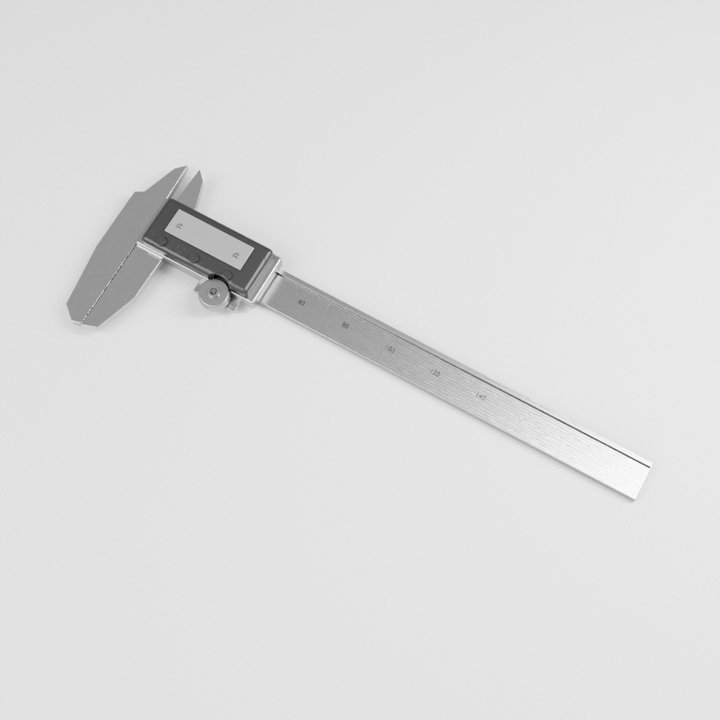 Digital caliper
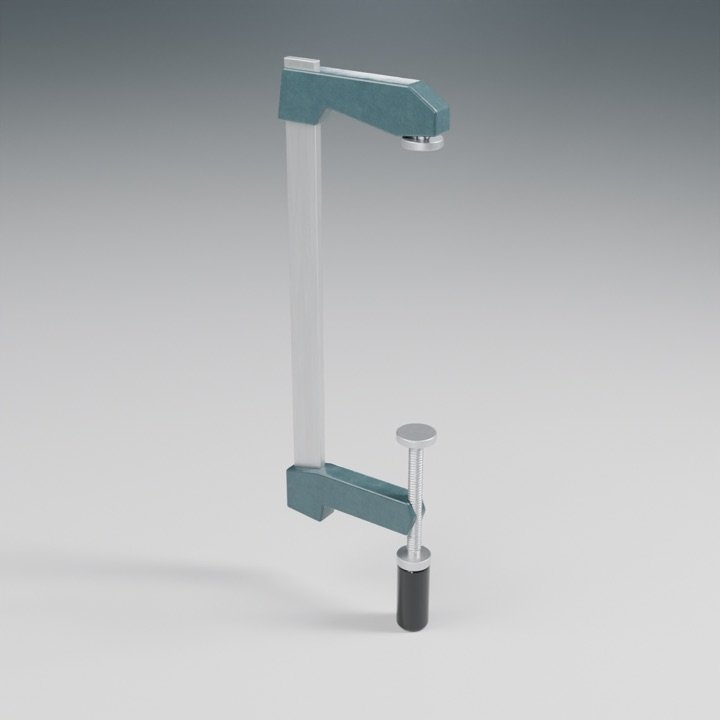 F-clamp
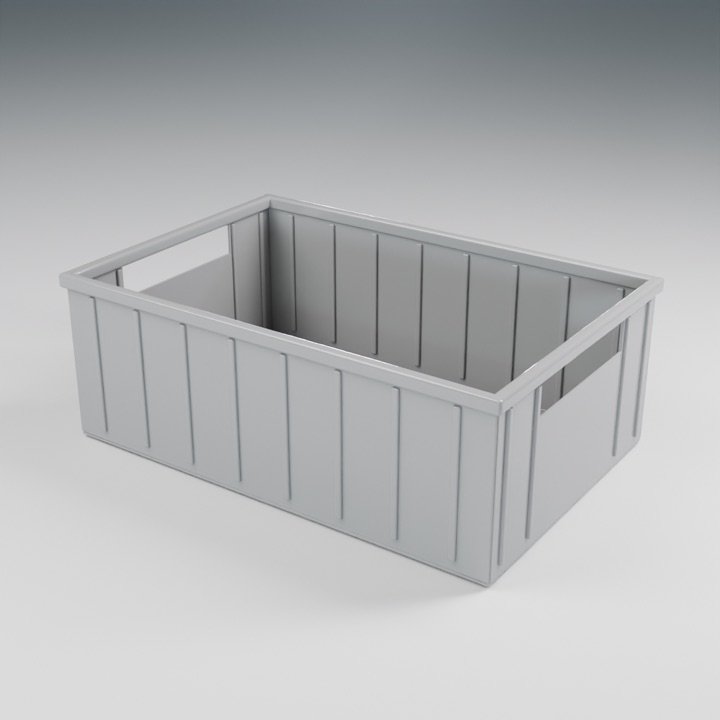 Open Euro storage tote
06 / Compatibility
Works where you already simulate.
07 / Questions
Frequently asked.
What do you need from us?
Whatever you have for the object: photos, a scan, CAD, or simply a description in plain language. Tell us how the robot will interact with it and we will tell you what works best.
Can I describe an object instead of capturing it?
Yes. Describe it in natural language, for example a two-drawer steel cabinet, 70 cm tall, and the pipeline generates a SimReady asset from the description, with the same physics, joints and validation as a captured object.
Which simulators do you support?
NVIDIA Isaac Sim and Isaac Lab through OpenUSD with physics schemas, and MuJoCo through MJCF. Ask us if you need another target.
Can you handle articulated objects?
Yes. Doors, drawers, lids, hinges and sliders ship with joint axes and limits. Rigid and articulated objects are supported today.
What about deformables?
Cloth, cables and soft objects are in progress. If deformables matter for your use case, talk to us: we are working with early partners on them.
How do we get access to the platform and catalog?
Join the platform waitlist and we will let your team in as places open. If you need assets sooner, book a call and we will walk you through the platform and the catalog.
Talk to us
See your objects as SimReady assets.
Book a call, tell us what your robot needs to handle, and we will show you the pipeline on objects like yours.